
basics
breakdowns & definitions
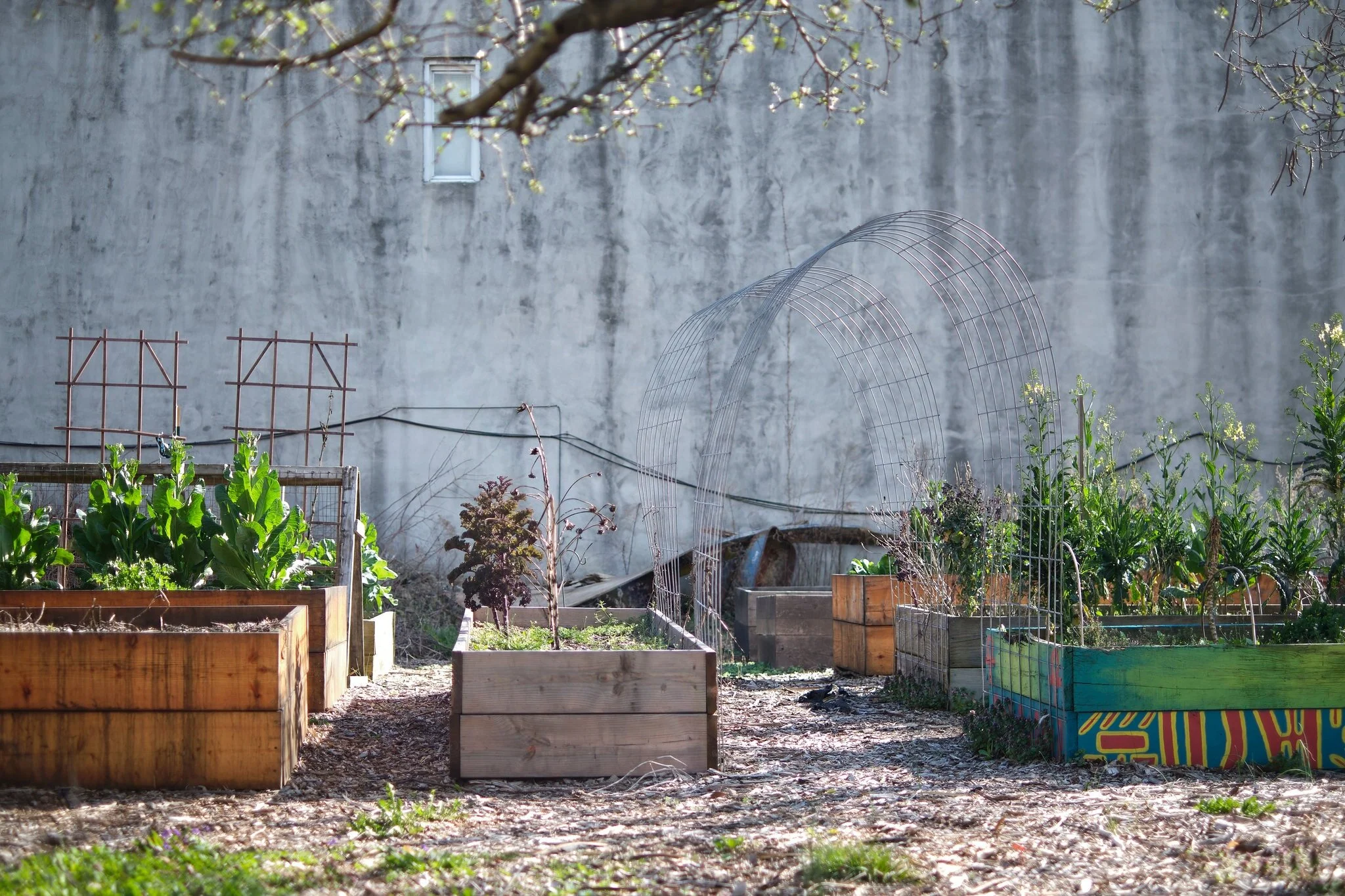
Farming in nyc
In the 1960s and 70s the New York City was in free fall and suffered from a major financial crisis. Federal bailout money was denied, and the city started to rapidly decay. Despite government shortfalls, communities banded together to create some of the first modern urban farms. After establishing the first community garden, the Bowery Houston Community Farm and Garden in 1974, more gardens began popping up around the city. By the late 1970s these gardens became so popular that the city created the official GreenThumb program to administer and oversee these urban green spaces. In the time since GreenThumb was established, community gardens have continued to thrive across the city, providing not just a space but empowerment to residents participating in their food system.
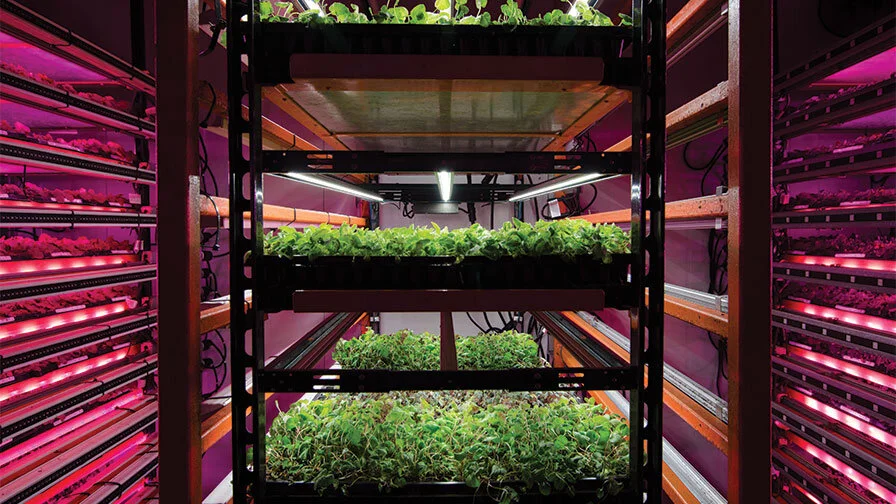
rise of new farming technology
Since 2000, the number of urban farms that have opened utilizing new Controlled Environmental Agriculture (CEA) technology has risen drastically. CEA is a farming system that uses special technology to grow food in a closed system, not reliant on typical farming methods. Farms can use vertical growing spaces, hydroponics, aquaponics, and more. The emergence of these new urban farming methods has been largely driven by the desire to reconnect food production and consumption. The diffusion of urban farming reflects an increasing awareness of how food and farming can shape our cities (Thomaier et al., 2014).
food insecurity
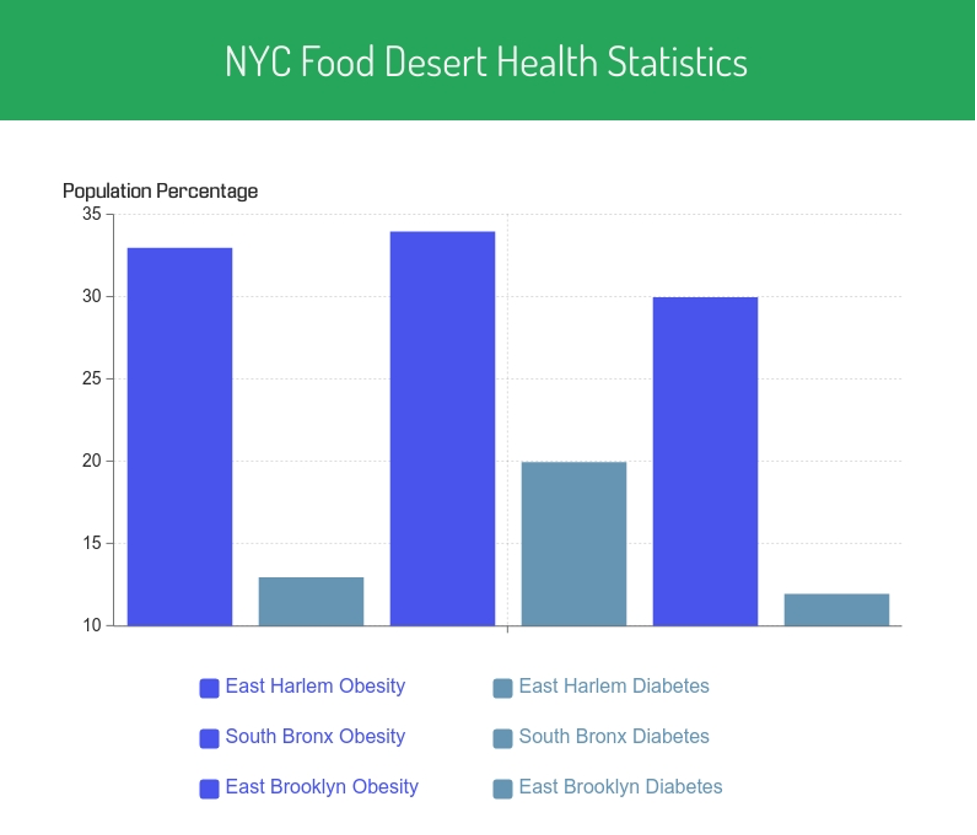
As new farming technology gains more traction, it is becoming increasingly obvious that our current food system is unsustainable, contributes to climate change, and disproportionately affects people’s access. Unfortunately many people living in New York City face food insecurity issues and/or live in food deserts. Through systemic oppression, a significant portion of people dealing with food access issues are people of color. The three biggest food deserts within the City are the South Bronx, East Harlem, and East Brooklyn. Due to a lack of fresh food, these areas see higher rates of chronic health issues including obesity and diabetes than other parts of the City. The graph above shows that a 2015 study done by community health surveys in the last five years, East Harlem’s obesity rate is 33% and the diabetes rate is 13%; South Bronx is 34% obese and 20% diabetic; and East Brooklyn is 30% obese and 12% diabetic (NYC Health, 2015).

Supply Chain
For city dwellers, we are reliant on fresh food being trucked in from beyond the boroughs. The produce that makes it into our homes goes on a tremendous journey from farm to fridge. A broad process overview includes seeds being planted, grown, harvested by farmers, picked up by distributors, loaded onto trucks, and traveling hundreds or thousands of miles to their destination. This is called the supply chain. The United States “imports about 35 percent of the produce that lands on supermarket shelves, with the average item traveling 2,000 miles” (Banker, 2020). Our method of growing and distributing food is unsustainable and contributes to climate change. By switching to a locally grown diet, we can help cut down the reliance on this unsustainable food supply chain. While this is an ideal situation, for many it is cost prohibitive and unrealistic to eat completely local. Food should be democratized and not accessible to select groups of people. Urban agriculture could be the answer to bringing food to the masses.
hydroponics
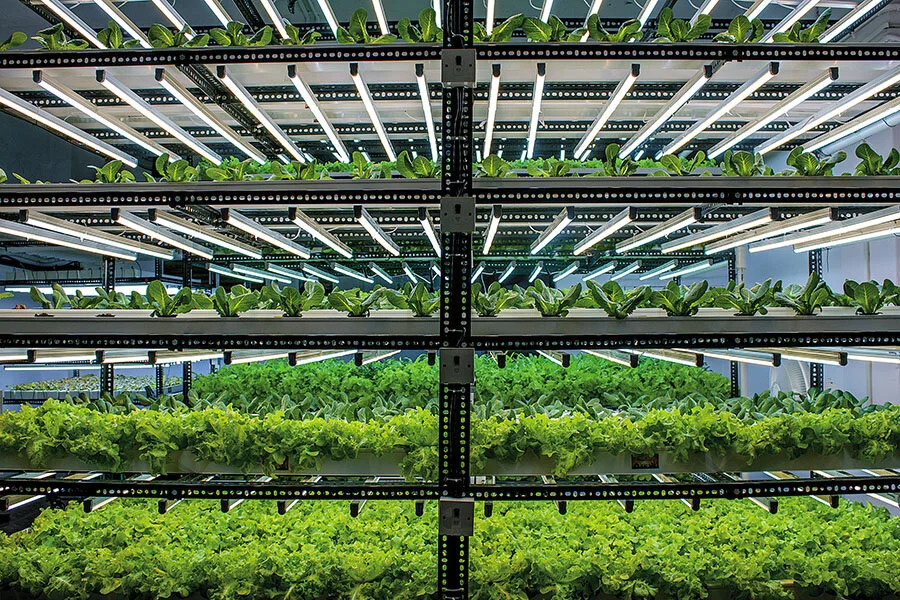
Hydroponics is often a soil-less system of growing food. Instead of the traditional method of planting seeds in soil, watering, and then using the sun to grow food, hydroponics takes up a smaller footprint. Soil-less growing spaces are connected together, fed by nutrient dense solutions that help the seeds germinate and grow, and special lights that mimic the sun’s rays. The temperature and humidity of the spaces are controlled for proper growth. From planting the seeds to harvest can take anywhere from 4-6 weeks. Hydroponics can be applied in indoor farms or rooftop greenhouses. The advantage of hydroponics is that the system works really well in cities, where space is limited. It allows farmers to grow crops in underutilized areas such as basements or an internal, windowless room (Thomaier et al., 2014).
aquaponics
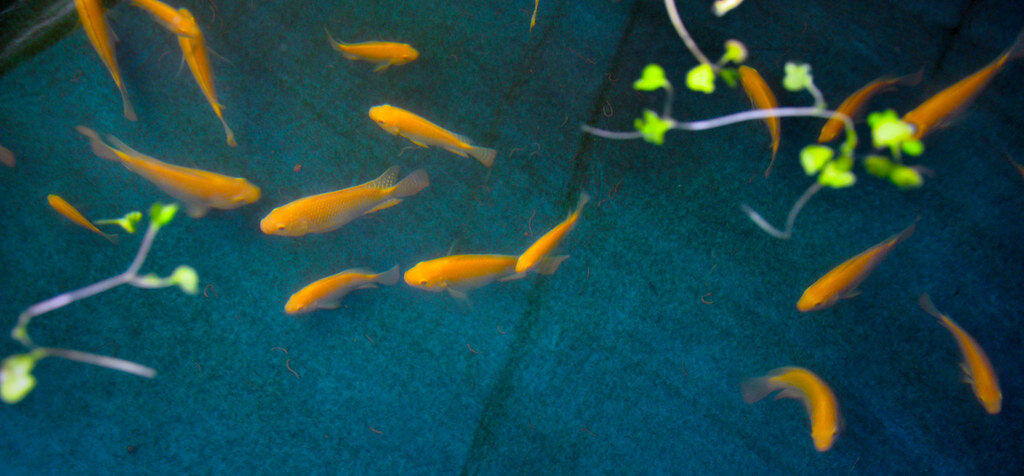
Used mostly in indoor farming, aquaponics uses the power of fish to grow food. It takes hydroponics and fish waste generated in the fish farming process. This creates nutrients that are then recycled and used to fertilize plants in a closed water system. An advantage of using aquaponics is that it tends to be a water-efficient way of growing food (Thomaier et al., 2014).
aeroponics
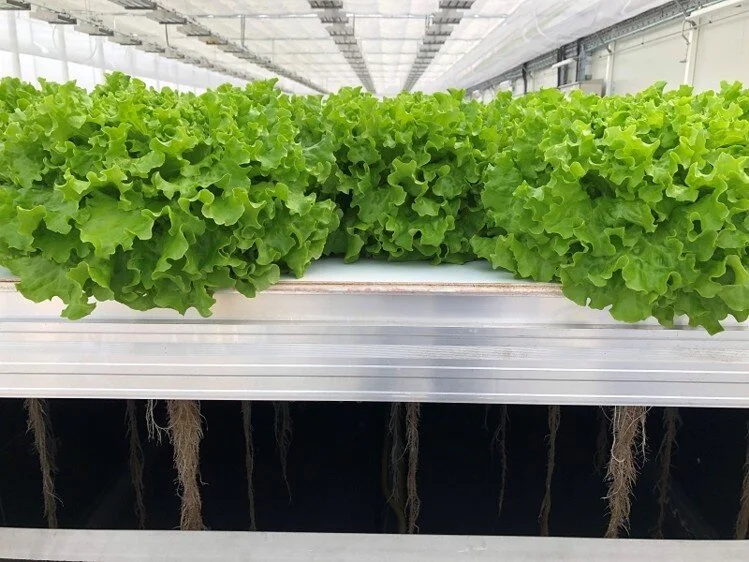
Aeroponics is a variant of hydroponics. Farmers spray nutrient solutions onto the roots of growing plants. Because they are targeting the roots, there is reduced need for fertilizers, herbicides, and pesticides if there is effective isolation from a harsh external climate (Benke & Tomkins, 2017). This is a particularly beneficial growing method for an area that experiences water sourcing issues due to climate change related issues such as droughts.
rooftop farms
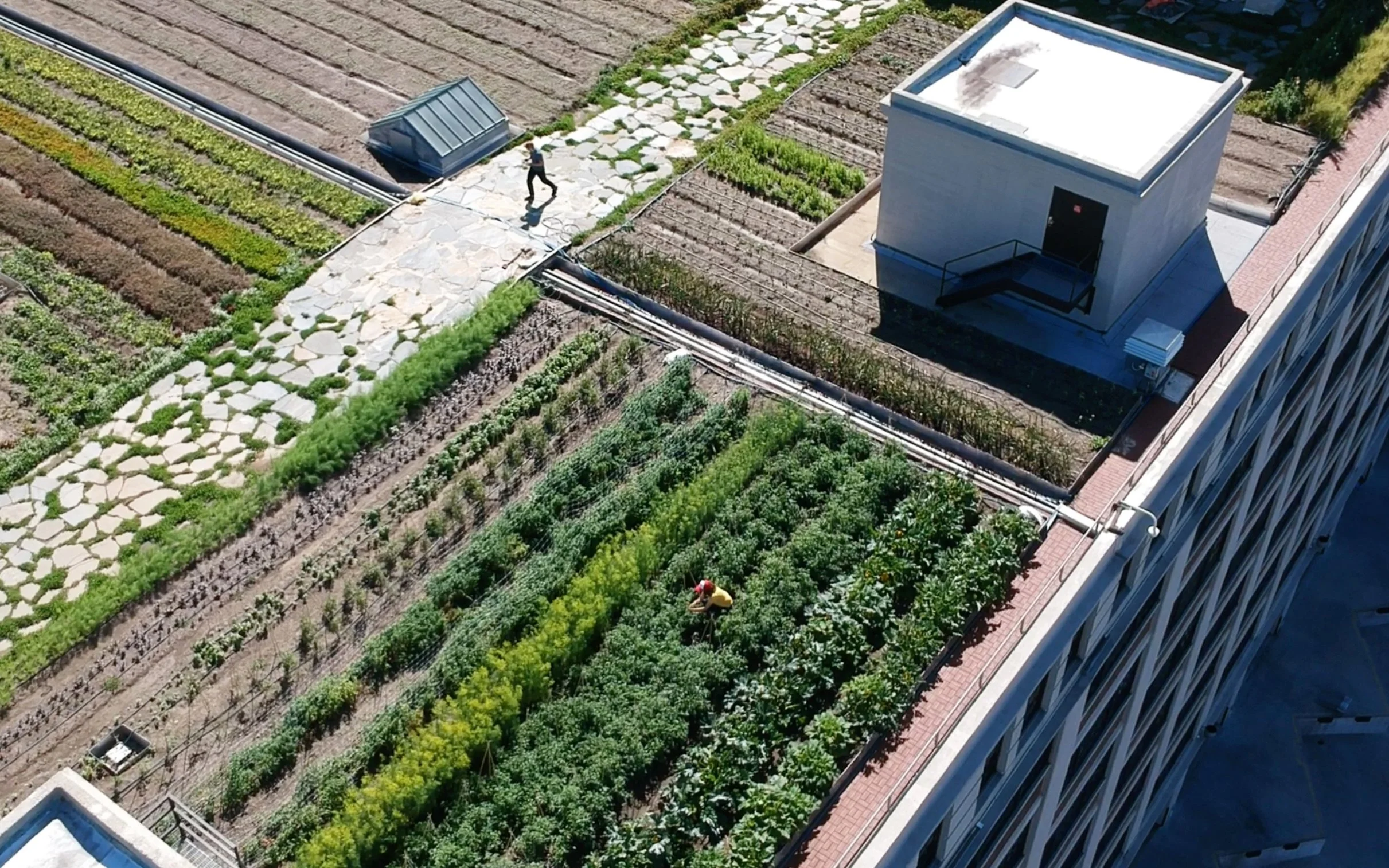
There’s no shortage of buildings in New York City. Rather than trying to find ground level space where land can be prohibitively expensive, many urban farms have been built on top of already existing buildings. Rooftop farms often have a combination of soil and soil-less growing, depending on the types of crops the farm grows. An advantage of a combination rooftop farm is that they have access to natural elements including the sun and stormwater. Rooftop farms are mutually beneficial to not just the farmers, but to the building itself. Heat from the building can be generated to heat greenhouses and stormwater can be collected and recycled.
Insects
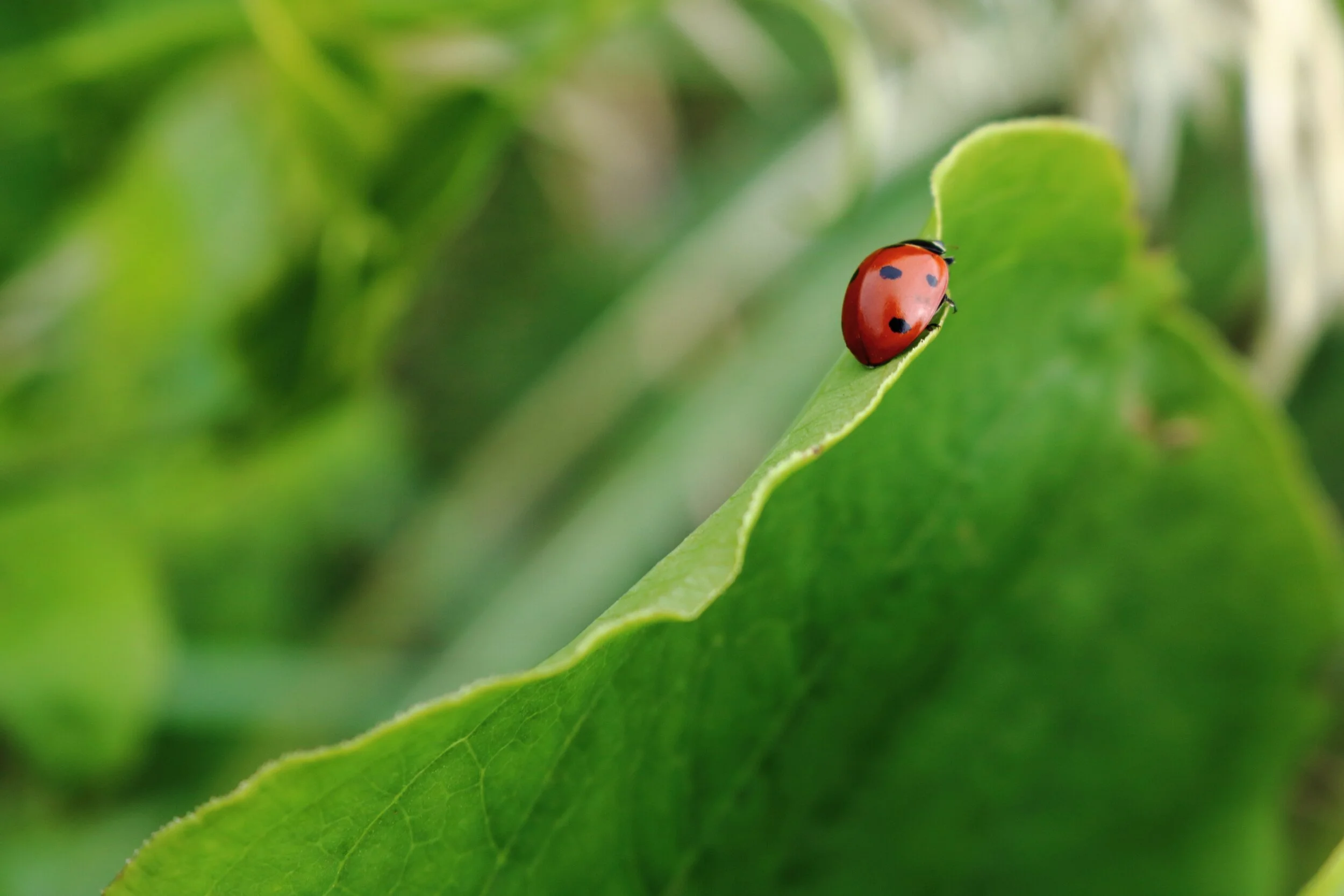
Just because a farm is indoors doesn’t mean they are immune to challenges traditional farms face. Pests and other crop threatening issues will sometimes make their way into an indoor growing space. Many farms use insects in their growing operations, rather than use a pesticide. Ladybugs, for instance, are natural predators of crop eating insects like aphids.
Some urban farms also build apiaries, or beehive collectives. Bees are critical to our global ecosystem as they pollinate food crops. Many farms are able to use the bees not just for the food they grow, but are able to harvest the honey made by the bees (Cather, 2016).
References
Banker, S. (2020, January 29). Vertical Farming Transforms The Farm-to-Fork Supply Chain. Forbes. https://www.forbes.com/sites/stevebanker/2020/02/03/vertical-farming-transforms-the-farm-to-fork-supply-chain/?sh=570a48771cd5
Benke, K., & Tomkins, B. (2017, November). Future food-production systems: vertical farming and controlled-environment agriculture. Sustainability: Science, Practice and Policy. https://doi.org/10.1080/15487733.2017.1394054
Cather, A. M. (2016, September 28). Beekeeping in New York City. NYC Food Policy Center. https://www.nycfoodpolicy.org/beekeeping-in-nyc/
CUNY Hunter College. (2017, March). A Foodscape of The South Bronx. New York, NY: Hunter College Food Policy Center.
Thomaier, S., Specht, K., Henckel, D., Dierich, A., Siebert, R., Freisinger, U., & Sawicka, M. (2014, April). Farming in and on urban buildings: Present practice and specific novelties of Zero-Acreage Farming (ZFarming). Renewable Agriculture and Food Systems. https://doi.org/10.1017/S1742170514000143
NYC Health. (2015). Community Health Profiles 2015; Brooklyn Community District 17: East Flatbush. New York, NY: NYC Health Department.
NYC Health. (2015). Community Health Profiles 2015; Manhattan Community District 11: East Harlem. New York, NY: NYC Health Department.
Photo Credits
https://unsplash.com/photos/CdX0FV_hIVA?utm_source=unsplash&utm_medium=referral&utm_content=creditShareLink
https://unsplash.com/photos/20qcctvyR1Q?utm_source=unsplash&utm_medium=referral&utm_content=creditShareLink
https://live.staticflickr.com/7294/27628788822_fd578e36bd_b.jpg
https://www.6sqft.com/brooklyn-grange-opens-nycs-largest-rooftop-farm-in-sunset-park/
https://www.agritecture.com/blog/2019/10/21/indias-hydroponic-farmers-are-growing-fresh-pesticide-free-produce
https://www.nytimes.com/2020/04/10/dining/community-garden-coronavirus.html
https://www.greenhousegrower.com/technology/a-look-beyond-the-hype-of-vertical-farming/